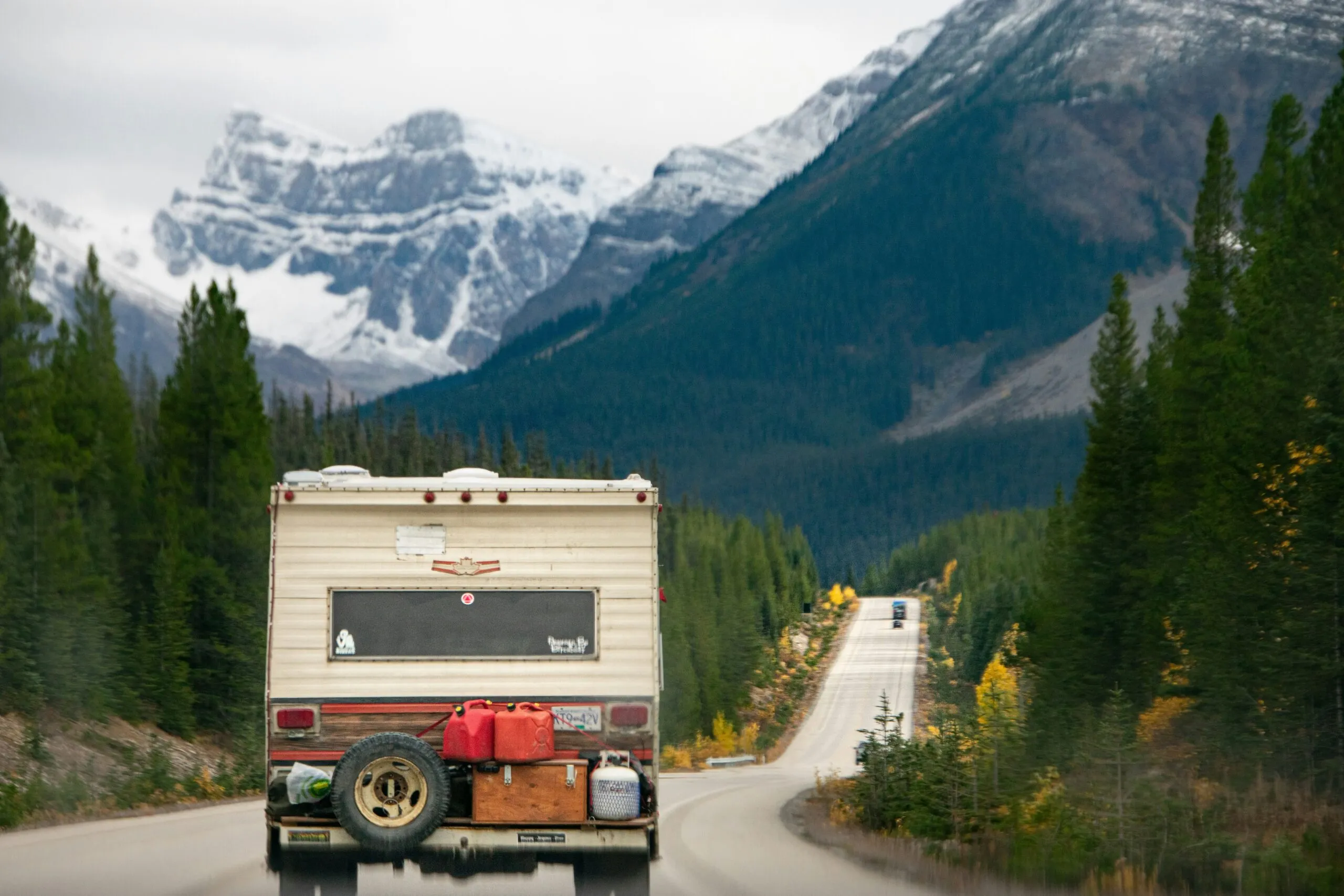
Microcampers: Your Guide to Compact Camping
06/18/24What Are Microcampers?
Microcampers are small vehicles, often based on the chassis of everyday vans or cars, that have been converted into cozy, compact recreational vehicles (RVs). Unlike their larger counterparts, microcampers are designed with the essentials in mind—sleeping areas, basic kitchen facilities, and sometimes even a small dining or work space, all ingeniously fitted into a space no larger than a standard parking spot.
Benefits of Microcampers
Mobility and Freedom
One of the most compelling advantages of microcampers is their mobility. Their size allows for easier maneuvering on narrow roads, making them perfect for exploring off-the-beaten-path destinations. Plus, you can park (and camp) in places that are off-limits to larger RVs.
Cost-Effectiveness
Not only are microcampers more affordable to purchase, but they also offer savings on fuel, insurance, and maintenance. This makes microcamping an accessible option for those looking to adventure on a budget.
Eco-friendly
Owing to their smaller size and lighter weight, microcampers generally have a lower environmental impact in terms of fuel consumption and emissions compared to traditional RVs.
The Flip Side: Considerations of Microcampers
Space Limitations
The most obvious downside is the limited space. They require creative organization and a minimalist mindset. Living in such close quarters can be challenging on longer trips or for those traveling in pairs.
Limited Amenities
While many appreciate the simplicity microcampers offer, it’s worth noting they lack the amenities of larger RVs. Bathroom facilities are rare, and kitchens are basic, challenging the comfort level some travelers may desire.
A Camping Solution for Many Journeys
Despite these limitations, microcampers are extraordinarily versatile. They’re ideal for weekend getaways, music festivals, cross-country road trips, and even serve as a mobile base for hiking, biking, or surfing adventures. Their ability to double as a daily driver adds to their convenience and appeal.
Types of Microcampers
Microcampers come in various forms, from DIY conversions of cargo vans like the Fiat Doblo or Ford Transit Connect to professionally retrofitted compact vans. Some adventurous souls even convert smaller vehicles, such as hatchbacks or station wagons, into microcamper setups.
For those not interested in the DIY route, several companies specialize in microcamper conversions, offering custom and pre-built options. Popular models include the Nissan NV200, which boasts reliability and an optimal size for conversions, and the Volkswagen Caddy, known for its comfort and drivability.
Getting Your Own Microcamper
If you’re considering stepping into the world of microcamping, start by assessing your needs. Consider rental options to test the waters before purchasing. Exploring online forums and communities can provide valuable insights and inspiration from experienced microcampers.
When ready to buy or convert, weigh the pros and cons of doing it yourself versus seeking a professional conversion. DIY projects allow for complete customization but require time and skill. Professional conversions offer convenience and expertise but at a higher cost.
In conclusion, microcampers embody the essence of adventure, offering a minimalist, efficient, and flexible approach to exploring the great outdoors. Whether you’re an avid solo traveler, a couple seeking weekend escapes, or a digital nomad craving scenic workspaces, the world of microcamping opens up endless possibilities for where the road can take you.