
Essential Tips for Extended RV Stays During Winter in Northern California
11/08/24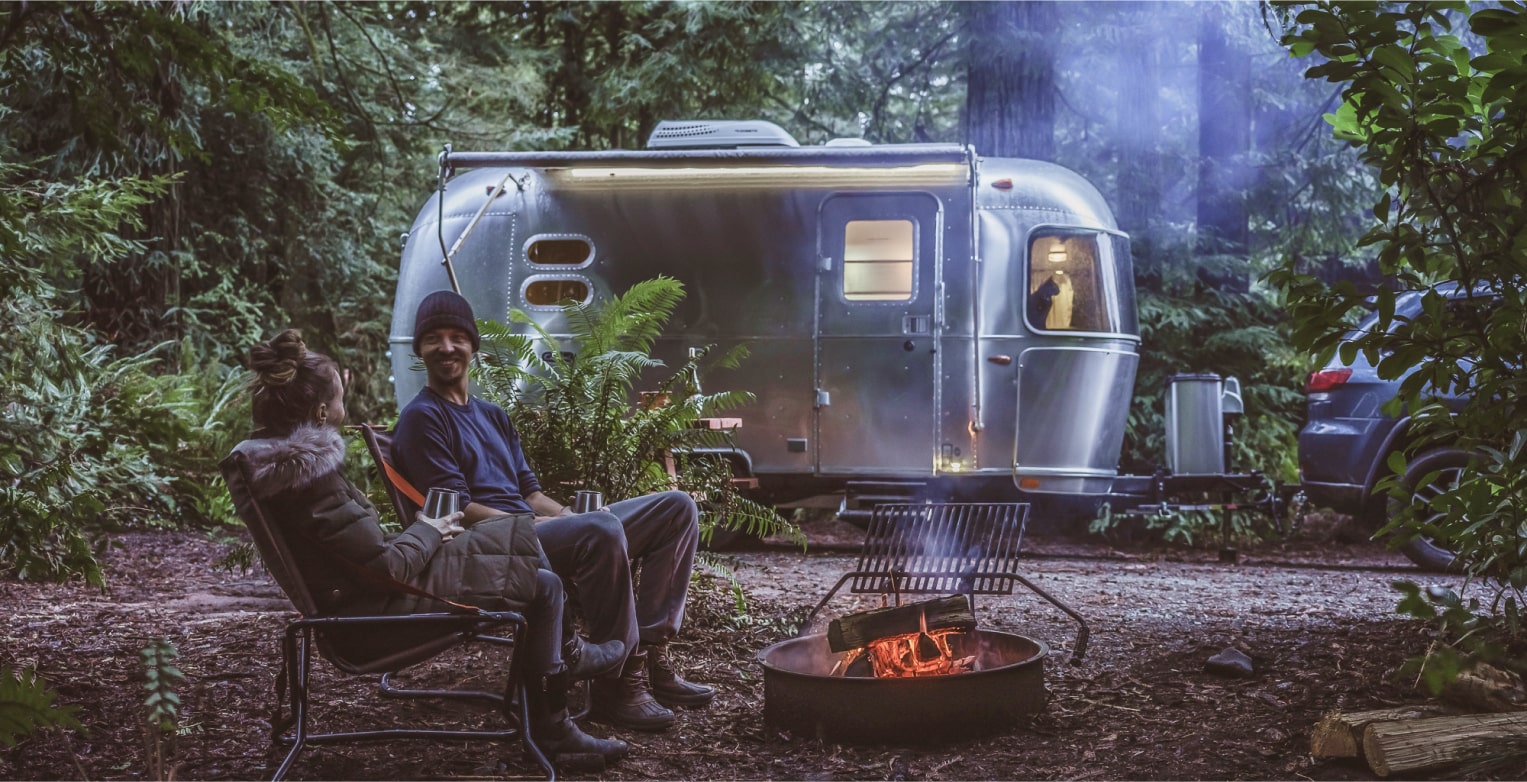
Introduction to Winter Camping in Northern California’s Redwoods
Winter camping in Northern California’s Redwoods offers a unique opportunity to experience the majestic beauty of ancient forests. When planning an extended RV stay, consider the following:
Weather Preparedness
Ensure RV insulation is adequate. Pack warm clothing and blankets.
Campsite Selection
Choose campgrounds with necessary winter amenities. Verify road conditions and accessibility.
Safety Measures
Carry essential safety gear. Familiarize oneself with local wildlife and safety protocols.
Experiencing the serenity of the Redwoods in winter requires thorough preparation, making it an unforgettable adventure.
Choosing the Right RV for Long-Term Winter Camping
Selecting a suitable RV for long-term winter camping requires careful consideration of several factors to ensure comfort and safety.
- Insulation: An RV with adequate insulation helps maintain a comfortable temperature and reduces heating costs. Look for models with high R-value insulation in the walls, roof, and floors.
- Heating System: Opt for an RV equipped with a powerful and efficient heating system. Dual-fuel furnaces or heat pumps combined with electric heaters can offer flexibility and reliability.
- Four-Season Capability: Choose a four-season RV designed for extreme temperatures, featuring reinforced plumbing and sealed underbellies to prevent freezing.
- Plenty of Storage: Ample storage space is crucial for storing bulky winter gear and provisions. Consider models with generous cabinetry, basement storage, and exterior compartments.
- Robust Electrical System: Ensure the RV’s electrical system can handle extended use of heaters, lights, and appliances. Upgraded batteries and inverters are essential.
- Ventilation: Proper ventilation minimizes condensation issues and maintains air quality. Look for RVs with efficient ventilation systems and insulated windows.
Essential Equipment and Supplies for Cold Weather
Preparing for an extended RV stay during winter in Northern California requires careful planning and proper equipment. Key items include:
- Insulated Skirting – Keeps the underside of the RV insulated.
- Heated Water Hose – Prevents water lines from freezing.
- Portable Space Heater – Provides additional warmth.
- Thermal Window Covers – Retains interior heat.
- Heavy-Duty Extension Cords – Ensures reliable power supply.
- Propane Tanks – Maintains fuel for heating systems.
- Emergency Supplies – Includes blankets, non-perishable food, and first aid.
These items are essential for a comfortable and safe RV winter experience.
Preparing Your RV for Cold Temperatures
An RV must be prepared for cold temperatures to ensure comfort and safety. Here are essential steps:
- Insulate Windows and Doors: Use reflective insulation or heavy-duty shrink film.
- Seal Gaps and Cracks: Apply weather stripping around doors and windows.
- Check the Heating System: Ensure the furnace is in good working order.
- Protect the Plumbing: Use heat tape on exposed pipes and add antifreeze to holding tanks.
- Use Skirting: Surround the base of the RV with skirting to retain heat.
- Monitor Ventilation: Maintain proper airflow to prevent condensation.
Managing Water and Waste Systems in Winter Conditions
Managing water and waste systems in winter conditions is crucial to ensure an extended RV stay is comfortable and trouble-free.
- Insulate Pipes: Use foam pipe insulation to prevent pipes from freezing.
- Heated Water Hoses: Invest in a heated water hose to keep the water flowing despite low temperatures.
- Tank Heaters: Install electric tank heaters on the freshwater and waste tanks to avoid freezing.
- Antifreeze: Use RV-specific antifreeze in holding tanks.
- Winterize: Periodically check and maintain the system to prevent leaks.
- Drain Connections: Ensure all external drain connections are secure and insulated to prevent freezing.
Ensuring Safety During Long-Term Winter Stays
Ensuring safety during extended RV stays in winter is crucial. Follow these key guidelines:
- Inspect and Maintain the RV: Regularly check the heating system, insulation, and plumbing to prevent leaks and freeze-ups.
- Emergency Kit: Keep a comprehensive emergency kit with first aid supplies, extra blankets, non-perishable food, and water.
- Carbon Monoxide Detectors: Equip the RV with working carbon monoxide detectors and smoke alarms.
- Ventilation: Ensure proper ventilation to prevent condensation and mold growth.
- Road Safety: Monitor weather forecasts, stock up on de-icing materials, and keep the RV’s fuel tank full.
- Communication: Maintain reliable communication methods to reach emergency services if needed.
Enjoying Your Winter Camping Experience
Winter camping in Northern California offers unique challenges and rewards, particularly in an RV. To maximize the experience:
- Preparation: Ensure the vehicle is winterized with proper insulation and heating.
- Supplies: Stock up on non-perishable foods, water, and emergency equipment.
- Stay Warm: Layer clothing, use thermal bedding, and maintain a safe heating system.
- Safety: Check weather updates regularly, and have a plan for power outages.
- Activities: Engage in winter sports such as skiing, snowshoeing, and wildlife photography.
By following these tips, campers can stay comfortable and make the most of their winter adventure in Northern California.